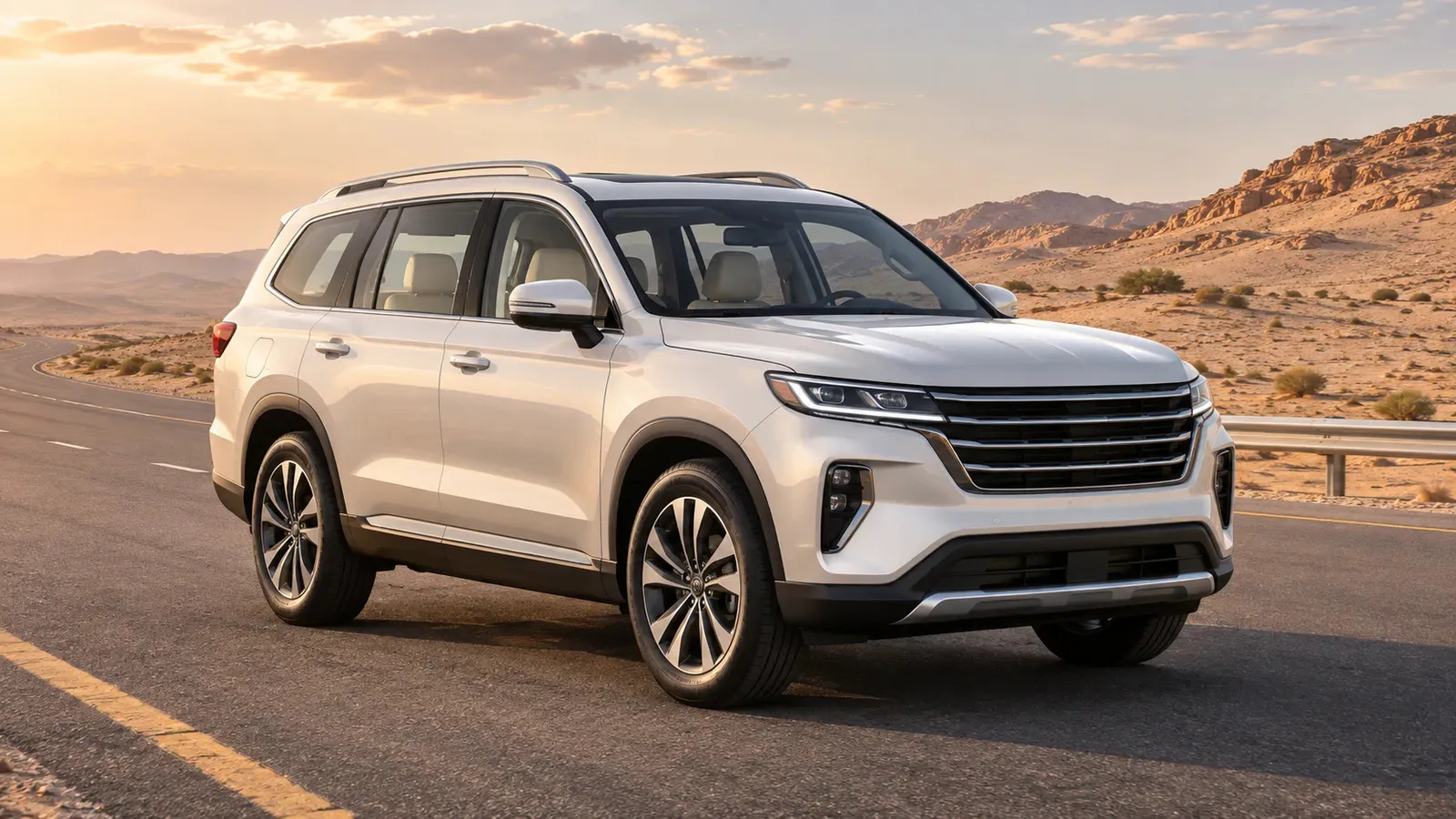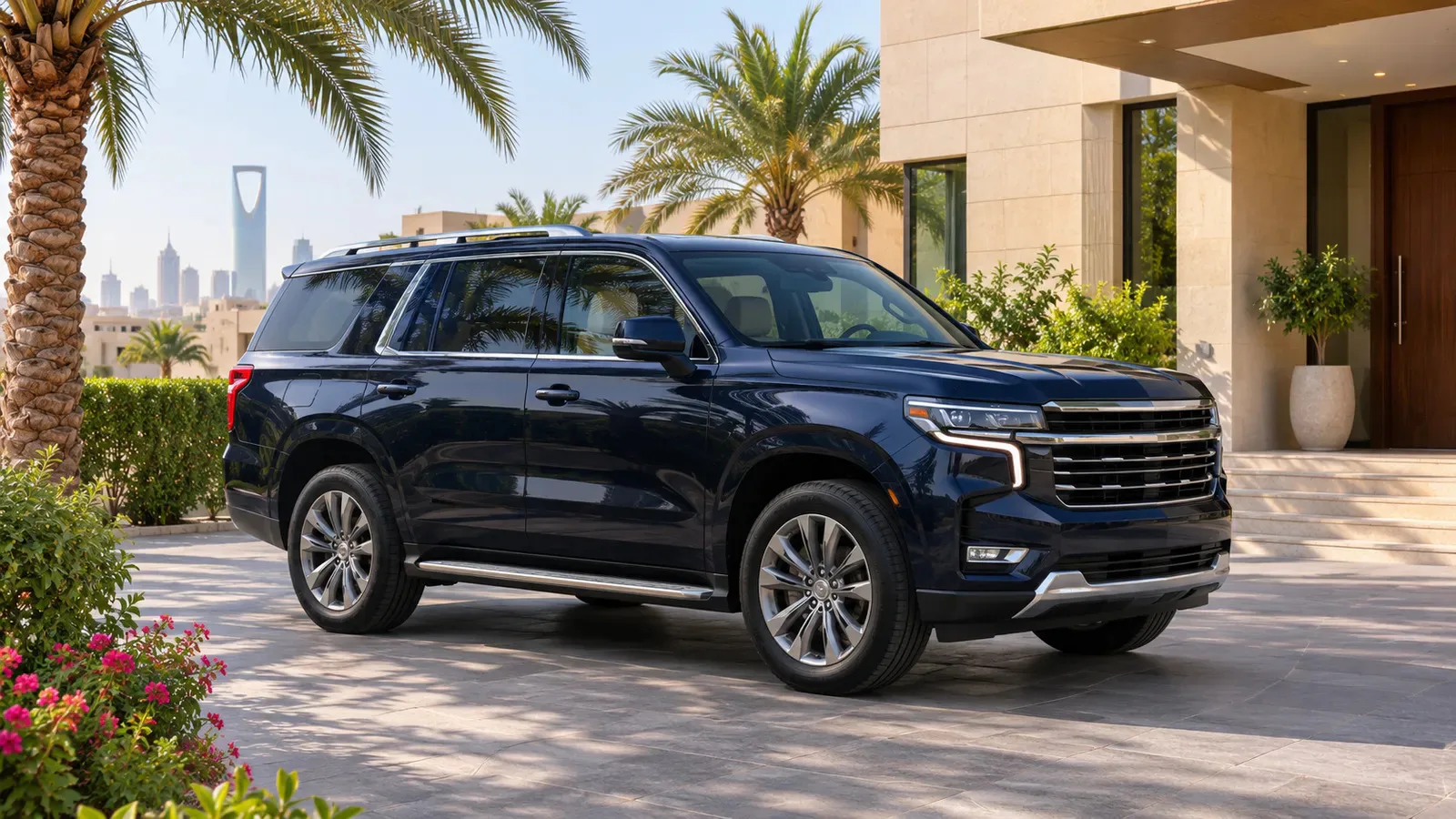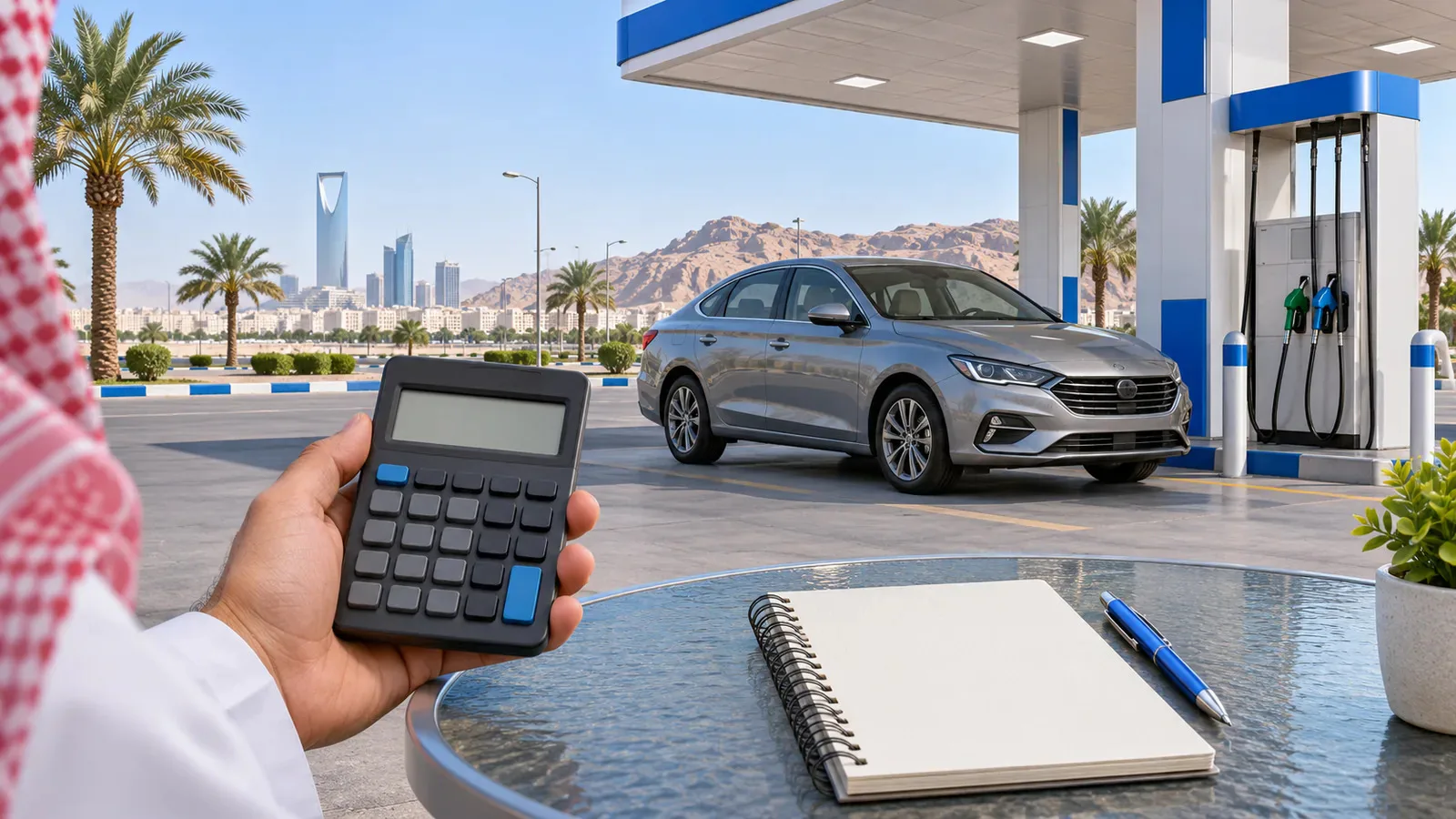


Buying a car is a big financial decision, whether you're shopping for your first vehicle or upgrading to something more comfortable for your family. With so many dealerships, online listings, and financing offers available, comparing car prices in Saudi Arabia can feel confusing.
You might find the same model advertised at SAR 75,000 by one seller and SAR 79,000 by another. At first glance, the cheaper option seems like the obvious choice. But what if the first offer excludes delivery, registration, or other costs?
The price shown in an advertisement doesn't always tell you how much you'll actually spend.
Before choosing a vehicle, it's worth understanding what affects car prices in KSA, how additional charges work, and what to check when comparing different offers.
What Affects Car Prices in Saudi Arabia?
Car prices vary depending on several factors. Two vehicles may look almost identical in photos but have different specifications, warranties, or ownership histories.
Here are the main things that influence the price.
1. Car Brand and Model
The manufacturer and model play a major role in determining a car's price.
For example, compact sedans from Toyota, Hyundai, or Kia may appeal to buyers looking for everyday transportation, while larger SUVs from Nissan, Ford, or other brands may suit families who need additional space.
However, the badge alone doesn't tell the full story. Engine options, safety features, technology, and trim levels can make a noticeable difference in price.
When comparing vehicles, make sure you're looking at the same model year and specifications.
2. New vs. Used Cars
One of the biggest decisions is whether to buy a new or used vehicle.
New cars generally offer the latest features, manufacturer warranty coverage, and no previous ownership history. However, they often require a higher initial investment.
Used cars can offer better value for buyers on a limited budget. Their prices depend on factors such as:
Mileage and overall condition
Accident and maintenance history
Model year and trim level
Remaining warranty, if any
Previous repairs or modifications
Local demand for the vehicle
A well-maintained used car may be a better purchase than a cheaper vehicle with hidden mechanical problems.
The key is to compare condition and long-term expenses, not just the asking price.
3. Vehicle Specifications and Features
A basic trim and a fully equipped version of the same model can have significantly different prices.
Features such as adaptive cruise control, parking cameras, leather seats, advanced safety systems, and larger wheels can affect the final amount.
Before paying more for a higher trim, ask yourself which features you'll actually use.
A car with fewer luxury features but strong safety equipment, reasonable fuel consumption, and affordable maintenance may be the more practical choice.
4. Availability and Seller Offers
Prices may also differ based on vehicle availability, dealership promotions, financing arrangements, and the location of the seller.
A vehicle available immediately in Riyadh may come with different delivery conditions than one listed in Jeddah or Dammam.
Always confirm whether the advertised vehicle is available and whether the quoted price applies to that exact unit.
How to Calculate the Final Cost of Buying a Car in Saudi Arabia
The best way to compare car offers is to calculate what you'll pay to complete the purchase.
Start with the quoted vehicle price, then identify any additional expenses that are not already included.
Depending on the transaction, these may involve insurance, registration-related charges, delivery, optional accessories, and financing costs.
Understanding VAT on Car Purchases
Saudi Arabia's standard Value Added Tax (VAT) rate is 15%, according to the Zakat, Tax and Customs Authority (ZATCA).
For a taxable sale, check whether the quoted amount already includes VAT before calculating the final cost.
For example, if a vehicle has a hypothetical price of SAR 80,000 before VAT, the calculation would be:
Vehicle price before VAT: SAR 80,000
VAT at 15%: SAR 12,000
Total including VAT: SAR 92,000
If the seller has already quoted SAR 92,000 including VAT, you shouldn't add the tax again.
Important: VAT treatment can differ for private used-car sales and eligible used-car transactions. Ask the seller for the applicable invoice and tax details rather than assuming every used vehicle is taxed in the same way.
Registration and Ownership Transfer Costs
Before completing a purchase, confirm which party is responsible for registration, ownership transfer, and any related administrative expenses.
The applicable process and charges depend on the transaction and vehicle circumstances.
For used cars, also check whether there are outstanding issues that need to be resolved before ownership can be transferred.
Use official Saudi government services, such as Absher, to verify the relevant procedures and current requirements.
Car Insurance Costs
Insurance is another expense that buyers shouldn't overlook.
Premiums can vary based on the vehicle, driver profile, insurer, coverage, and other underwriting factors.
For example, comprehensive insurance may cost more than basic third-party coverage, but the protection offered is also different.
Get insurance quotations for the exact vehicle you're considering. Compare coverage limits, deductibles, exclusions, and repair conditions rather than choosing a policy solely because it has the lowest premium.
Delivery and Additional Charges
Some sellers include delivery in their advertised price, while others charge separately.
You may also encounter optional charges for accessories, service packages, extended warranties, or vehicle preparation.
Before paying a deposit, ask for a written breakdown of everything included in the offer.
If a charge isn't clear, request an explanation before agreeing to it.
Car Price Comparison Example: Which Offer Is Actually Cheaper?
Let's compare two hypothetical offers for the same new car, with identical specifications.
Cost Breakdown | Seller A | Seller B |
|---|---|---|
Vehicle price including VAT | SAR 85,000 | SAR 83,500 |
Delivery | Included | SAR 1,500 |
Optional accessories selected | SAR 1,000 | SAR 1,500 |
Total compared cost | SAR 86,000 | SAR 86,500 |
These figures are illustrative, not current market quotations. Both totals exclude insurance, registration-related expenses, and other costs not yet quoted.
Seller B initially appears cheaper by SAR 1,500. Once the selected extras and delivery are included, Seller A becomes the lower-cost offer by SAR 500.
This is why comparing advertised prices alone can lead to the wrong decision.
For a fair comparison, use the same car specifications and include the same categories of expenses in each calculation.
If one seller hasn't provided a particular charge, mark it as "Not confirmed" instead of assuming the cost is zero.
Cash Purchase vs. Car Financing: What Costs Less?
Many buyers in Saudi Arabia compare cash offers with monthly installment plans.
Financing can make a vehicle more manageable by spreading payments over an agreed period. However, the monthly installment doesn't represent the full purchase cost.
Before accepting a financing offer, check:
The down payment
Monthly installment amount
Financing period
Annual Percentage Rate (APR)
Total amount payable
Any final or balloon payment
Administrative charges and insurance requirements
Early settlement conditions
Example of a Car Financing Calculation
Imagine a hypothetical financing offer with these terms:
Financing Detail | Amount |
|---|---|
Down payment | SAR 20,000 |
Monthly installment | SAR 1,500 |
Financing period | 48 months |
Final payment | SAR 10,000 |
Total payments | SAR 102,000 |
In this example, total payments equal SAR 20,000 + (SAR 1,500 × 48) + SAR 10,000.
This is simply an illustration of how to calculate total payments, not an actual financing product or an APR calculation.
A low monthly installment can seem attractive, but a longer repayment term or substantial final payment may increase the total commitment.
Compare the full payment schedule with the cash price and review the lender's contractual terms before deciding.
New or Used: Which Car Offers Better Value?
There isn't one answer that works for every buyer.
A new vehicle may be suitable if you want manufacturer warranty coverage, newer technology, and predictable early ownership conditions.
A used vehicle may make more sense if your goal is to reduce the upfront purchase cost.
However, the cheapest used car isn't necessarily the most affordable to own.
Before buying a used vehicle, consider arranging an independent mechanical inspection. Check the engine, transmission, brakes, air conditioning, tires, and other major components.
Also review available service records, accident information, and ownership documents.
For more detailed buying advice, read our used car buying guide in Saudi Arabia.
Don't Forget the Cost of Owning a Car
The purchase price is only part of your automotive budget.
Once the vehicle is yours, you'll need to account for ongoing expenses.
Fuel Consumption
A vehicle that uses less fuel can reduce your regular driving expenses, particularly if you commute long distances.
Compare official fuel-efficiency figures and estimate your monthly fuel spending based on your actual driving habits.
Maintenance and Spare Parts
Regular servicing helps keep a vehicle reliable, but maintenance costs aren't identical across models.
Before purchasing, investigate the availability and approximate cost of common replacement parts, servicing, tires, and repairs.
A car with an attractive purchase price may become expensive if maintenance is unusually costly.
Insurance and Registration Renewals
Recurring insurance and applicable registration renewal expenses should also be considered when planning your annual budget.
Don't assume the amount paid during the first year will remain identical in future years.
Depreciation and Resale Value
Cars generally lose value with age and use, although depreciation differs between models.
If you expect to sell the vehicle after a few years, consider its likely resale appeal, maintenance history, and local demand.
A slightly more expensive vehicle may be worth considering if it better meets your needs and is expected to retain its value, but future resale prices are never guaranteed.
How to Compare Car Prices Online in Saudi Arabia
Online car listings make it easier to research different vehicles without visiting every dealership.
On Mazhool, buyers can explore classified listings and compare available vehicles from sellers across Saudi Arabia.
To make your search more productive, follow these steps.
Step 1: Set a Realistic Budget
Decide how much you can comfortably spend, including a reserve for additional purchase expenses.
If you're considering financing, focus on an affordable total commitment rather than simply the highest monthly payment you qualify for.
Step 2: Shortlist Comparable Vehicles
Choose a few models that meet your requirements for size, performance, comfort, and fuel economy.
Avoid comparing completely different vehicles based on price alone.
Step 3: Compare Listings Carefully
Review the model year, mileage, condition, trim, specifications, location, and asking price.
For used vehicles, request clear photographs and relevant maintenance information.
Step 4: Contact Sellers for Complete Details
Ask whether the advertised price is negotiable and whether any additional charges apply.
Confirm availability, inspection arrangements, and payment conditions before traveling to view the vehicle.
Step 5: Inspect Before Making a Commitment
For used vehicles, arrange a proper inspection and verify the paperwork before transferring funds.
Avoid rushing into a purchase simply because an advertisement describes the offer as limited-time or unusually cheap.
Common Mistakes When Comparing Car Prices
Even experienced buyers can overlook important details.
Comparing different trim levels: Two cars with the same model name may offer very different equipment.
Ignoring the total financing amount: A low installment doesn't necessarily mean a low overall cost.
Forgetting insurance and maintenance: Affordable purchase prices can hide higher ownership expenses.
Skipping a used-car inspection: Mechanical problems can turn a seemingly attractive deal into an expensive mistake.
Relying only on advertisements: A listing is a starting point. Verify specifications, vehicle condition, final price, and seller details independently.
Taking a little extra time to check these details can help you avoid unnecessary expenses.
Final Thoughts: Choose the Right Car, Not Just the Lowest Price
Comparing car prices in Saudi Arabia becomes much easier when you look beyond the advertised amount.
A good deal isn't simply the vehicle with the lowest price tag. It's one that suits your needs, comes with clear terms, has a condition you can verify, and fits comfortably within your overall budget.
Before making a decision, compare the specifications, ask for a complete quotation, understand any financing arrangements, and consider future running costs.
Whether you're looking for a practical sedan, a family SUV, or an affordable used vehicle, doing your research can make the buying experience more straightforward.
Ready to explore your options? Browse car listings and other classified ads on Mazhool, compare available offers, and contact sellers directly to find a vehicle that fits your needs and budget.