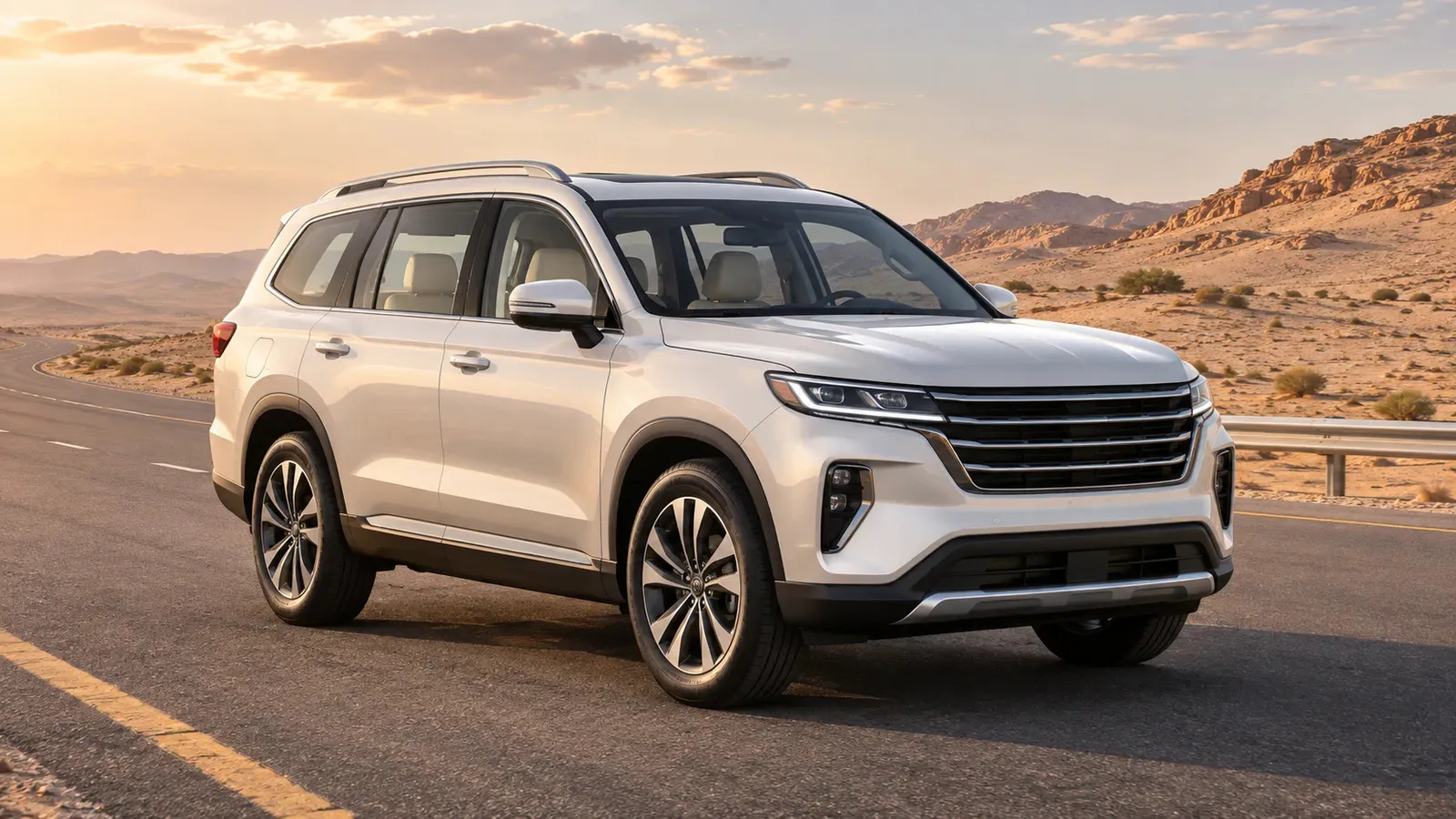


A used Kia K5 and a new-car offer should be compared by the total amount you will pay and the differences that matter to your driving. An attractive photograph, a low monthly payment or the phrase “fully loaded” does not settle the decision. Identify the exact model year and trim, establish the used car's condition, and request a written new-car quotation. Only then can you judge whether the price gap represents a useful saving or a compromise you would rather avoid.
There is no universal answer for every K5. A well-documented used example may suit a buyer who wants to preserve cash, while a new vehicle may justify its additional cost for someone who values a clearer starting point and the particular equipment offered. The decision concerns two actual cars, not a general contest between new and used. A cheap vehicle with unresolved history is not automatically better value than a more expensive car whose identity and terms are clear.
Match the versions first
Write down the full trim name, model year, specification source and, once identified, the vehicle identification number. Request the engine, transmission and equipment details for each specific vehicle. Do not assume a feature seen in a video or another advertisement is fitted to every K5. If the model years differ, record that difference explicitly. A comparison between different engines or equipment levels is a choice between alternatives, rather than a like-for-like new-versus-used price comparison.
Choose three features that genuinely influence your routine, such as parking visibility, driving position or phone connectivity. Check their presence and operation in both cars. Features you would rarely use should not dominate the calculation simply because they sound impressive. Try the seats, mirrors, visibility and boot space before negotiating. A higher trim is worthwhile only if its actual benefits justify the additional cost for your situation, rather than somebody else's preferred specification.
Build a complete starting cost
Request a final cash price and a breakdown of what it includes. Clarify delivery, registration-related services and optional additions instead of assuming every seller bundles them identically. For the used car, add an independent inspection and work identified by a suitable assessment. “Minor things to do” is not a cost estimate. Ask which items need attention, when they are needed and what the relevant work will cost before treating the used car as ready for your intended use.
| Hypothetical item | Used K5 | New K5 |
|---|---|---|
| Assumed final vehicle price | SAR 85,000 | SAR 115,000 |
| Inspection | SAR 500 | Confirm any requested service |
| Assessed preparation | SAR 3,500 | Zero in this example only |
| Initial comparison total | SAR 89,000 | SAR 115,000 |
These are teaching figures, not market prices or available offers. The difference is SAR 26,000 before other items, including insurance and finance, are matched. Distinguish money you know must be spent from a reserve you retain for uncertainty. A reserve is not automatically an expense, and it should not be counted twice. Test a second scenario if the assessment identifies uncertain work; a used-car decision should not depend entirely on the most optimistic possible outcome.
Inspect the used vehicle before valuing the saving
Ask about ownership, previous use, servicing, accidents and repairs before arranging the viewing. Make unresolved questions visible in your notes. Match the car to its documents and retain the agreed description of its condition. If ownership cannot be established clearly, or an appropriate independent assessment is refused, a large discount does not solve the information problem. Decide which issues would make you walk away before a persuasive sales conversation makes those limits harder to maintain.
Ask the inspection provider to explain the scope of the assessment and which systems need specialist attention. A useful report describes findings and their implications rather than relying on an overall reassuring label. Mazhool's comprehensive used-car inspection guide can help organize this stage, but the actual car still needs its own evaluation. A short drive cannot establish that every system is sound or that no previous repair exists, and it should not be described as doing so.
Read the warranty, not just its headline
For the new offer, obtain the warranty provider, starting point, time and mileage limits, exclusions and maintenance conditions in writing. For the used vehicle, verify any remaining coverage and whether it can be used under the proposed ownership arrangement. Do not assume coverage either transfers automatically or disappears merely because the car is used. The useful answer is one tied to the vehicle and supporting documents, not a general promise about the brand.
Check service access, appointment availability and any included maintenance package separately. Before assigning a monetary saving to a package, identify the visits, operations, limits and exclusions it covers. A package may not match your mileage or the period you intend to keep the car. Use a schedule or quotation relevant to the vehicle rather than borrowing maintenance costs from an unrelated model. Unknown future repair costs should remain assumptions, not be presented as established facts.
A finance offer needs another comparison
Record the down payment, number and size of instalments, final payment and any separate charges. Ask which items are already included in the stated total to avoid adding insurance or another cost twice. Request the annual percentage rate and the finance provider's cost disclosure. SAMA's APR framework supports comparison of finance costs, while the car's condition and suitability remain separate questions. Adding up payments is useful, but it is not itself an APR calculation.
For example, a hypothetical SAR 20,000 initial payment, sixty instalments of SAR 1,500 and a final SAR 25,000 payment add up to SAR 135,000 before any independent item excluded from those figures. This is not a financing quotation. It shows why a monthly instalment alone is incomplete. Compare similar terms where possible, and consider whether the final payment can be met without depending on an uncertain resale price or a future refinancing arrangement.
Test the choice against your real budget
Imagine a month when insurance renewal and other household commitments fall together. Can you still pay for the selected car and any assessed work without exhausting your reserve? A budget that works only if nothing unexpected happens is fragile. Also consider your intended ownership period, annual mileage and possible changes in work or family needs. If you estimate resale value, use several scenarios and label them clearly; none is a guaranteed future selling price.
Drive the two candidates close together in time, using the same checklist, and record the differences you actually noticed. Before paying a deposit, establish its conditions, the identified vehicle and the agreed delivery arrangements. Choose when you can explain the decision plainly: this K5 meets my needs, its condition or new-car terms are documented, and its complete cost fits my budget. That is a stronger basis than an urgent promotion or the smallest number in an advertisement.
Keep the final two quotations together with your inspection notes. If a price, specification or payment term changes, update the comparison before committing. A familiar model name should not hide a revised agreement, and an attractive new offer should not cause a completed condition assessment to be forgotten.
Related articles
- Used Car Inspection: A Comprehensive Buying Checklist
- Used Cars on Instalments: Calculate the Complete Cost
- Buying a Used Car in Saudi Arabia: Inspection and Documents