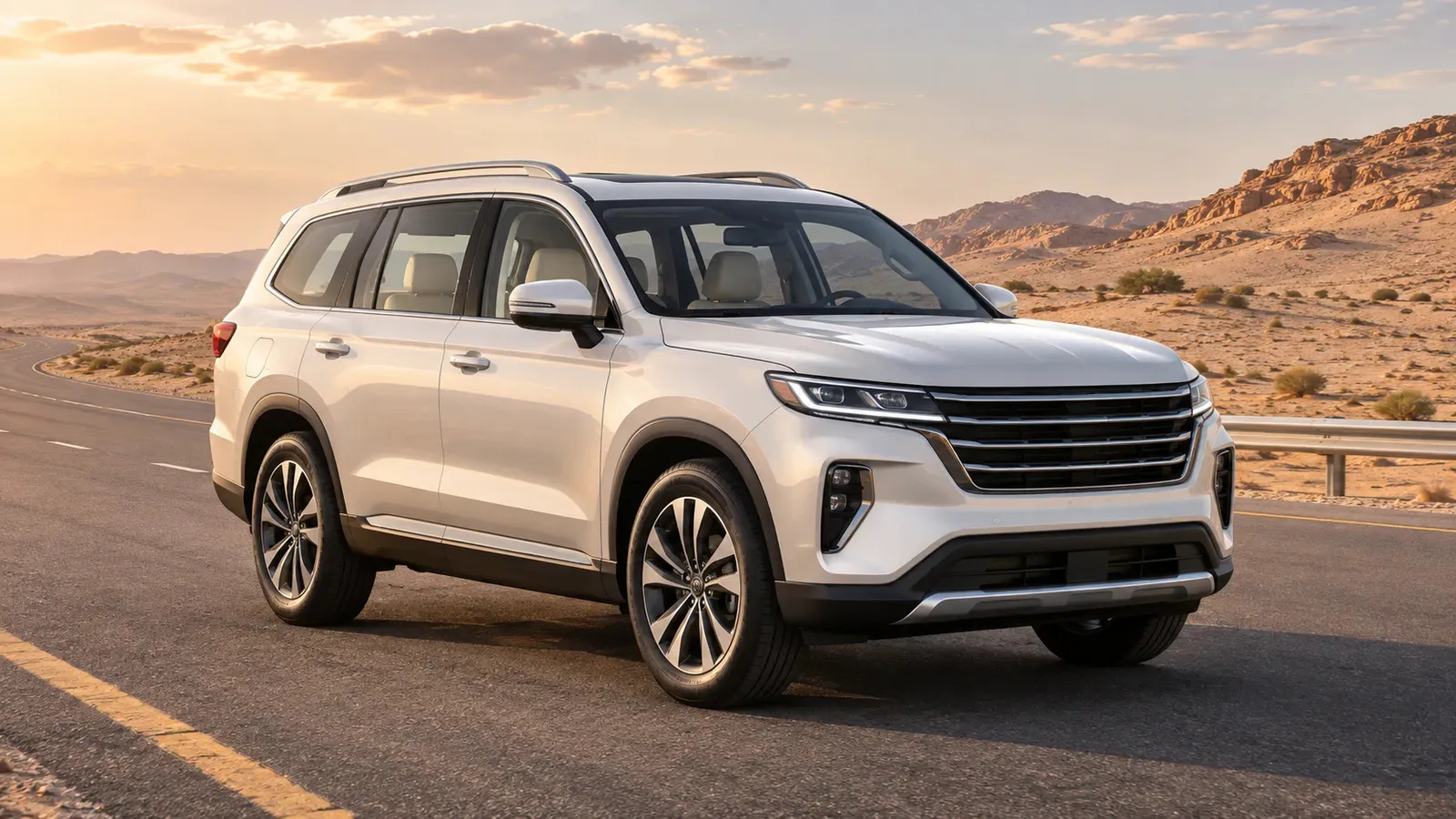

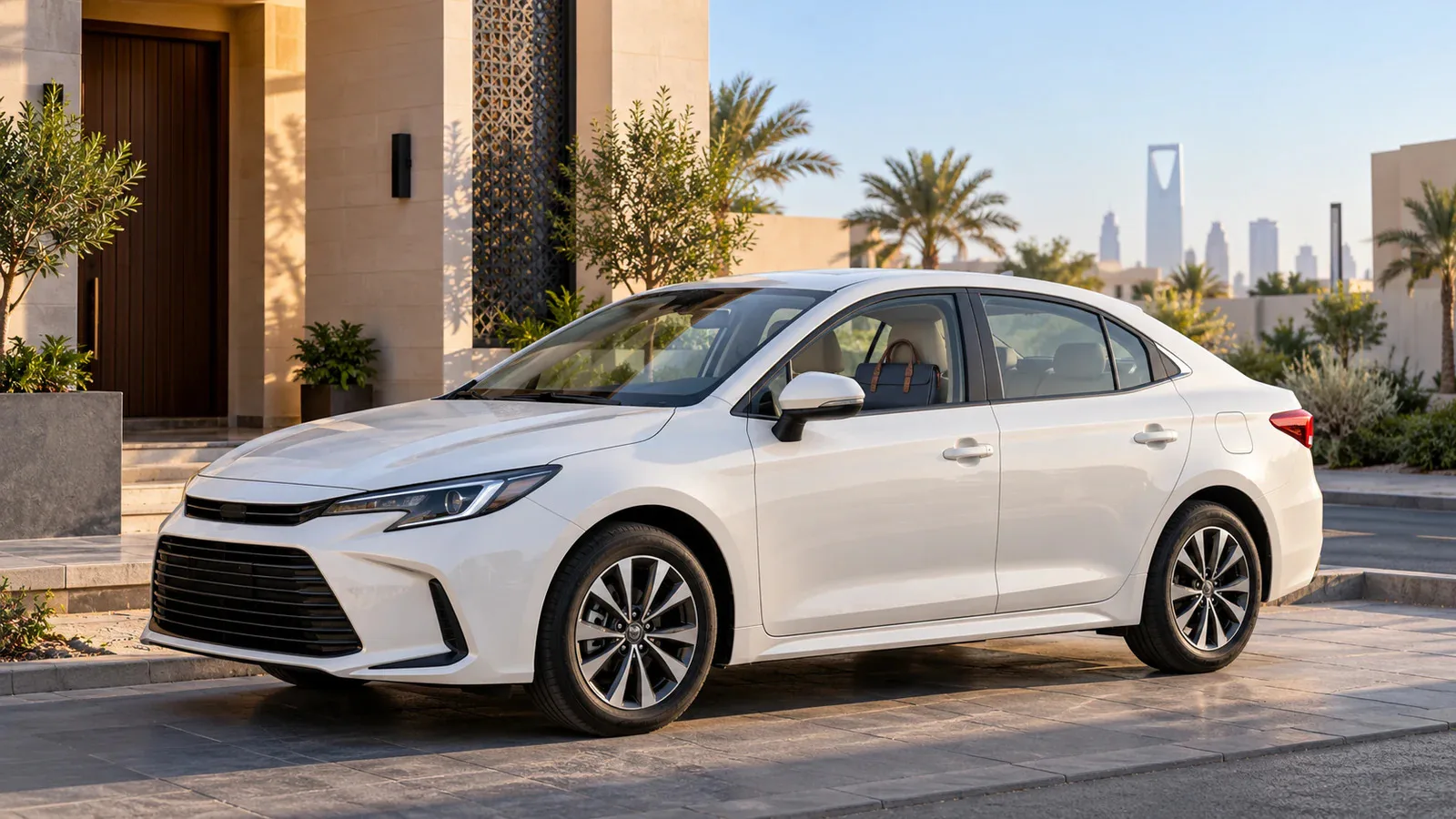
Choosing a Toyota Yaris for everyday use starts with differences between the trims that will matter to you. The published Saudi specifications for the 2026 Y, Y Plus and YX list the same 1.3-litre engine, CVT and maximum output of 97 horsepower. A higher trim should therefore not be assumed to offer a stronger engine. Compare the safety and convenience equipment, then decide whether the price difference fits your journeys and budget.
This comparison concerns the new car's advertised Saudi specification, reviewed on 1 November 2026. For a used or imported vehicle, match its own model year, trim and equipment. A current new-car table should not automatically be applied to an older example just because its badge or appearance seems similar.
Compare the Saudi 2026 Yaris trims
The table selects specific differences from Toyota Saudi Arabia's published specification. Prices shown in the trim configurator included VAT when reviewed, but they should not be treated as final offers covering every item. Request a written quotation explaining shipping, other charges and optional additions, and identify the trim of the vehicle that will actually be supplied.
Saudi 2026 specifications and prices reviewed on 1 November 2026; obtain a final quotation
| Item | Y | Y Plus | YX |
|---|---|---|---|
| Displayed price including VAT — SAR | 66,987.50 | 72,852.50 | 78,832.50 |
| Wheels | 15 inches | 16 inches | 16 inches |
| Audio-system screen | 7 inches | 9 inches | 9 inches |
| PCS / ACC / LDA | Not listed for this trim | Listed | Listed |
| Airbags listed | Front | Front | Front, side and curtain |
| Entry and starting | Remote | Remote | Smart entry and start button |
This is a selection of equipment, not a complete specification list. The dealer marks certain accessories as locally installed, so do not describe every addition as factory-installed. That distinction matters when comparing a used listing with the current range or asking who provides cover for an accessory such as a screen or camera.
What are you buying with the price difference?
The displayed prices produce a difference of SAR 5,865 between Y and Y Plus, and SAR 5,980 between Y Plus and YX. The difference between Y and YX is SAR 11,845. These are arithmetic differences between the stated prices, not finance costs or an assurance that the prices will remain available. Recalculate using the actual quotation if prices or included items change.
Over three years, dividing SAR 5,865 by 36 gives approximately SAR 162.92 per month. That is a way to picture the size of the difference, not an instalment offer. If you use finance, compare the actual total payable and payment schedule. Dividing a cash-price difference into months does not account for finance charges or the conditions of a particular arrangement.
When might the Y be appropriate?
Include the Y in your shortlist if you want to limit the purchase price and its equipment meets your needs after a practical check. Do not begin by treating every feature of a higher trim as something missing. First identify what you need for driving, parking and carrying passengers. One buyer may prefer to keep more money for insurance and initial expenses; another may prioritise additional equipment in the vehicle.
The word “economical” should not replace your own assessment. Sit in the car, adjust the seat, check visibility and try the position of your phone and controls while stationary. If you use a child seat or regularly carry rear passengers, assess the space for that purpose. The lowest-priced trim is a good fit when it suits the job, rather than requiring you to disregard a known essential need.
Why consider the Y Plus?
The specification lists Toyota safety systems and changes to convenience equipment compared with the entry trim. If those features matter to you, ask for an explanation of the functions actually fitted and read their operating limits. A system name is not a guarantee against collisions or a substitute for an attentive driver, and it should not be assumed to work identically in every situation.
During a demonstration, focus on how settings and alerts are displayed and how functions are operated or switched off. Do not create a dangerous situation to test their response. Ask about the relevant maintenance guidance when equipment or sensors require repair. Understanding what you buy is more useful than owning a feature that remains an unfamiliar item on a long specification list.
When does the YX enter the decision?
The YX deserves comparison when you value its particular additions, including side and curtain airbags and smart entry as listed in the current specification. Rank those features individually and compare them with the price difference over Y Plus. Do not let the appearance of wheels or interior trim decide the purchase if the reasons that matter most to you concern other equipment.
Equally, choosing the highest trim does not establish that future expenses will disappear or that it will retain a particular resale value. This comparison includes no study proving future selling prices for the trims. Buy equipment you need within an affordable amount and treat resale after several years as uncertain, rather than a guaranteed sum you can deduct from today's decision.
Test a journey that resembles your routine
Before a test drive, identify three situations representing your use: a neighbourhood road, stopping and starting, and a parking space resembling the one at home where a safe, permitted route allows it. A brief circuit may not answer your questions about seat position or visibility. Ask to try the trim you intend to purchase because another version may include equipment absent from your offer.
If you normally travel with another person or carry a pushchair, agree with the showroom about assessing that space. Try loading and unloading while parked and decide whether it is convenient for you. Do not turn one demonstration into a claim that the car suits every family or every trip. It is a practical check against your own requirements.
Calculate running expenses from your distance
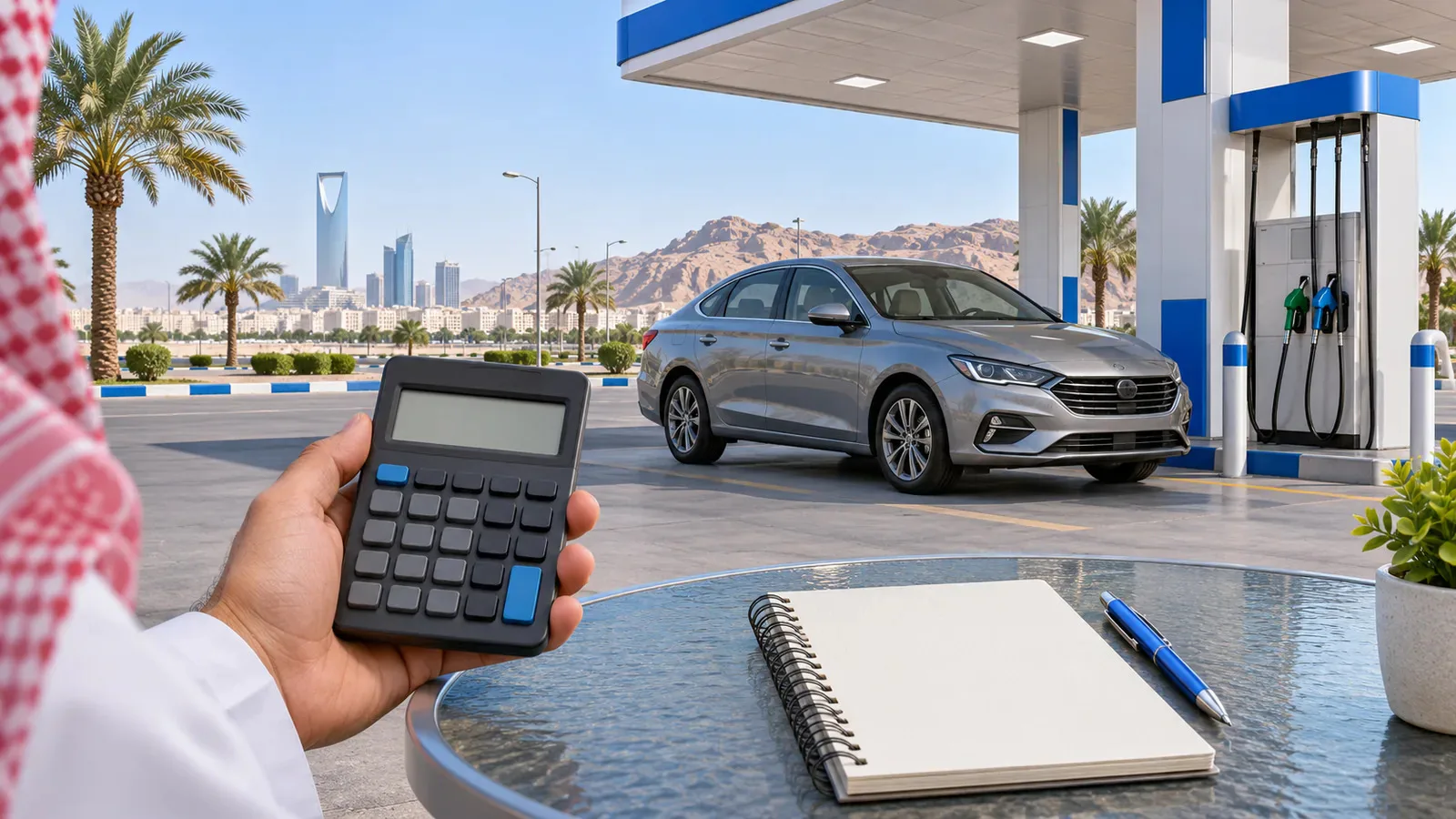
Before asking what the car will cost each month, record your expected distance, insurance quote and the service prices you have actually obtained. Separate known expenses from estimates. A published fuel-economy figure is not a promise of the same result in your traffic and on your route. Recording your actual distance and fuel later can provide a clearer picture of your own use.
For a hypothetical calculation, a monthly distance of 1,500 kilometres and an assumed actual rate of 18 kilometres per litre require approximately 83.33 litres. Multiply that amount by the fuel price you verify when purchasing. The rate of 18 is an illustrative assumption, not a Yaris test result or a replacement for vehicle data. Change the inputs to see how distance and consumption affect your budget.
Check the offer before accepting it
Ask for the trim, model year and final price in one document. List the features that made you choose it and match them with the vehicle offered. If an accessory is locally installed, identify its service provider and coverage document. Do not rely on a photograph showing a higher trim or a short description that may combine features from several versions.
Confirm the actual delivery arrangement rather than assuming a colour and trim are in stock because they appear in the configurator. This article does not confirm availability or a delivery date. Those details belong to the particular offer. If waiting would create transport expenses, include the amount you realistically expect to pay and compare it with an offer having a clearer delivery arrangement.
At handover, check the documents, accessories, keys and agreed equipment, and record any concern with the supplying organisation. Keep the quotation and the specification used for your decision. They provide a clearer basis for following up a particular discrepancy than memory of a showroom visit or a conversation that never identified the complete vehicle specification.
If the alternative is a used Yaris
Do not subtract the used price from the new price and call the difference final savings. Include actual repairs identified through inspection, review its history and condition, and confirm any remaining coverage. The used-car buying guide helps prepare for a viewing. Check the specific used trim instead of assuming it matches a car you saw at the dealer.
Finish with a short decision sheet: year and trim, final price, three features you need and any unresolved expense. The Y may fit a buyer satisfied with its equipment and seeking a lower initial payment. Y Plus deserves attention where its additional systems and equipment matter, while YX suits someone who needs its particular features and accepts the difference. Choose the version whose value you can explain in terms of your daily use, rather than the one with the most impressive label.